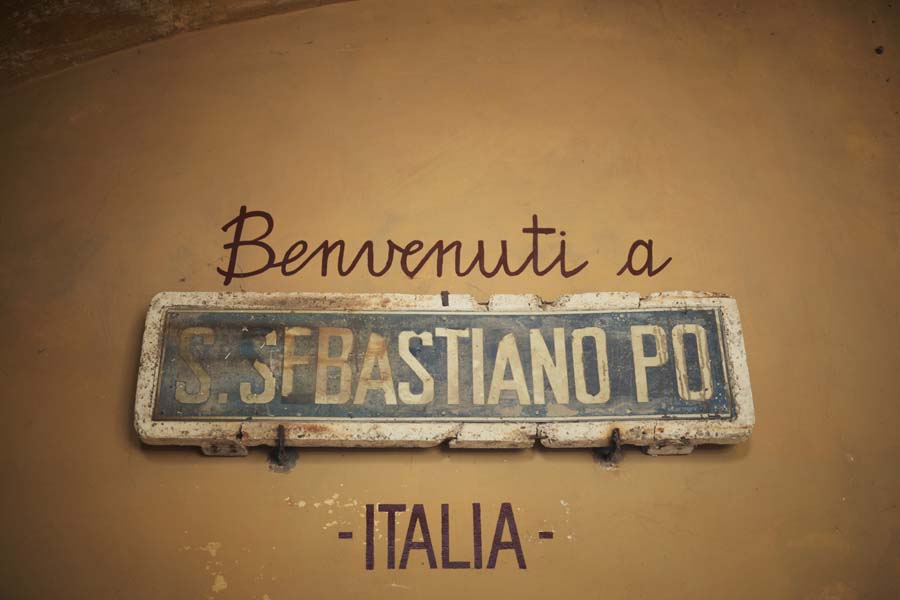
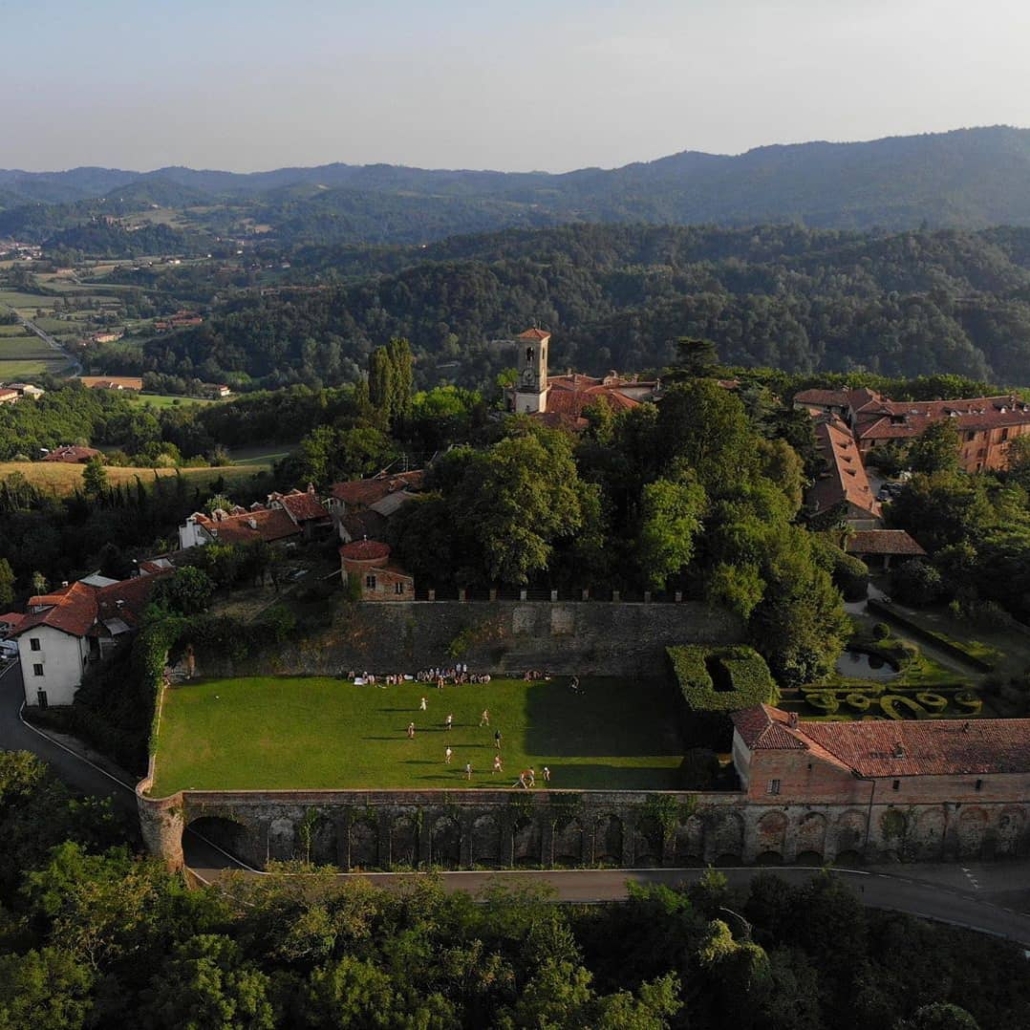
Its origins date back to the early Middle Ages (10th century), when the village was part of the Marquisate of Monferrato. The first records concerning the settlement of San Sebastiano place it under the rule of the Radicati family. In the following centuries, it became the stage for wars over control of Piedmont—first between the House of Savoy and the Marquises of Monferrato, and later involving Spanish and French forces.
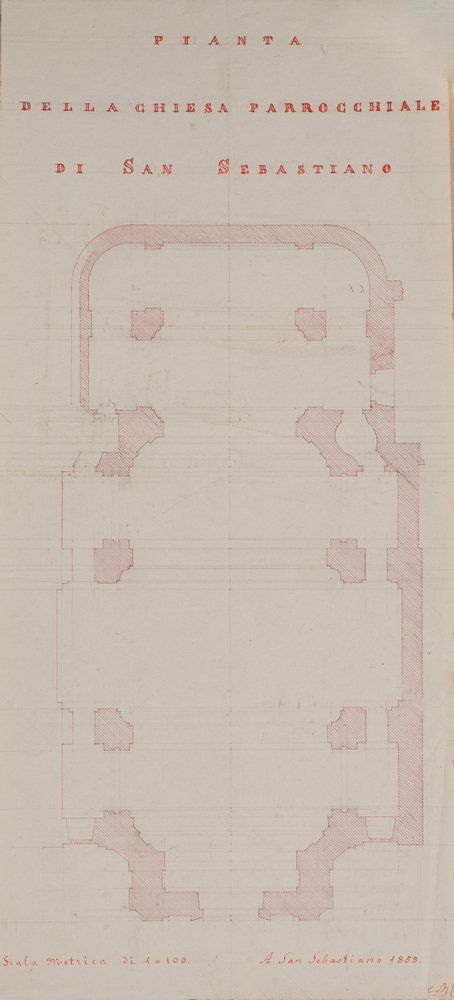
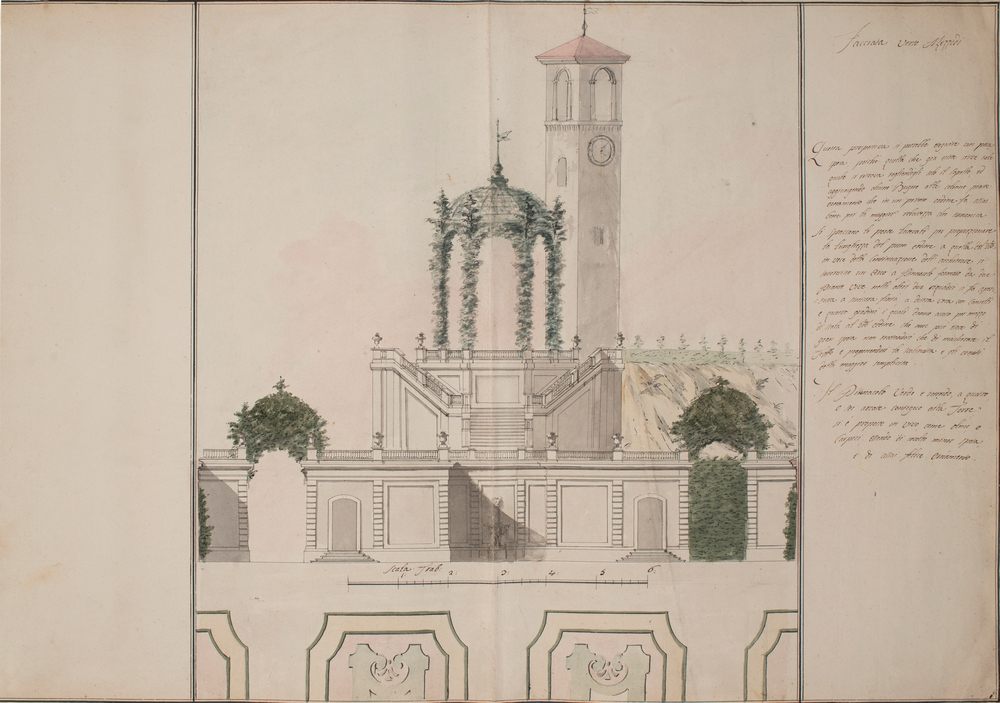
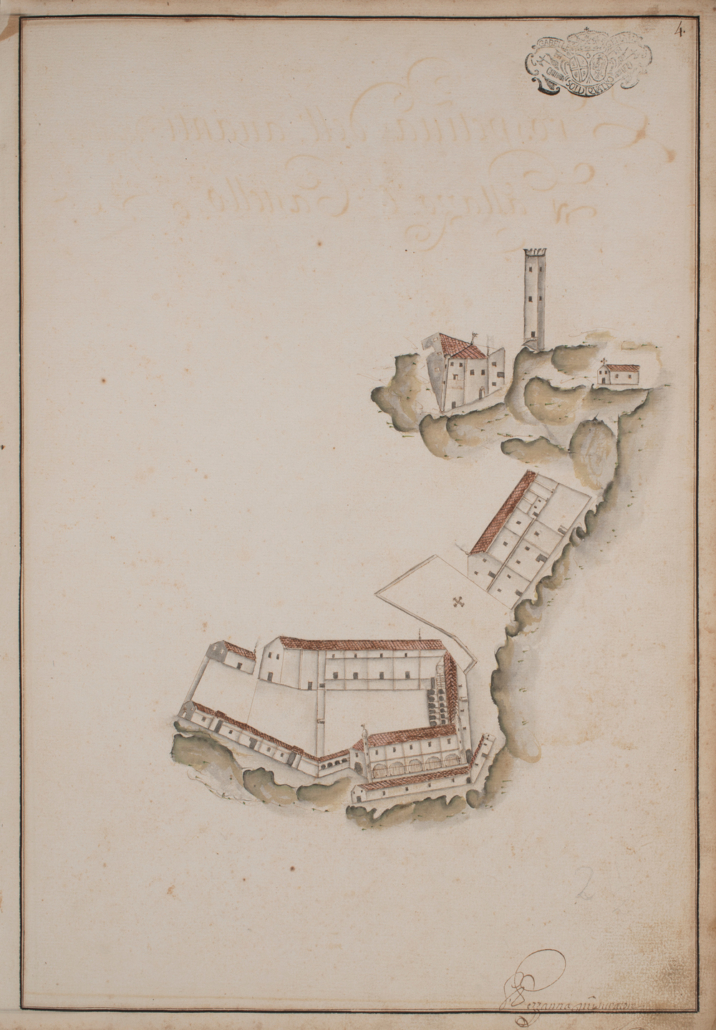
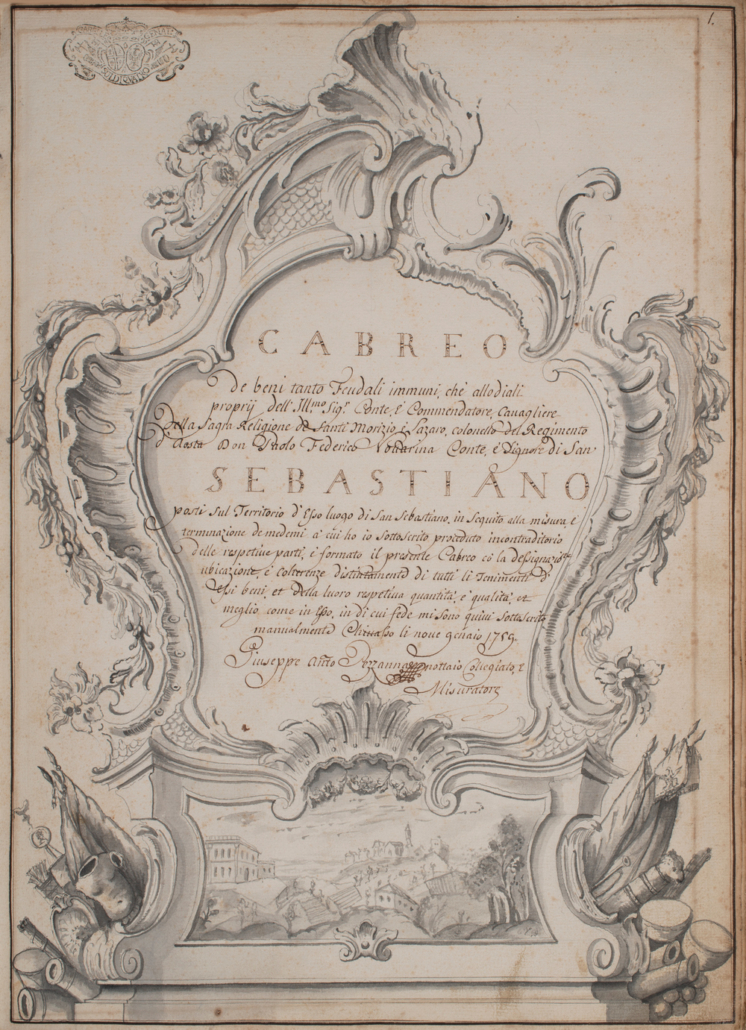
The fate of the castle during that period is not documented. However, the year 1761 is well recorded, when the Count of San Sebastiano, Paolo Federico Novarina, commissioned the architect Bernardo Vittone, a leading figure of Piedmontese Baroque, to renovate the entire castle complex after admiring his work on the nearby parish church.
Count Novarina, who became commander of the Piemonte Regiment in 1763, had taken part in the Battle of Assietta in 1747. On that occasion, to keep his soldiers steadfast against the numerically superior French troops, he famously declared: “Fieui, bugiè nen!” (“Boys, don’t move!”).
From this episode comes the term still used today to describe Piedmontese people: “bogia nen”, meaning those who do not move.
The castle was visited by distinguished figures, including Napoleon I, as Count Pietro Novarina had supported the French Republic. In honor of the French emperor, a rare ginkgo biloba tree was planted in 1810 during his passage—still standing today.
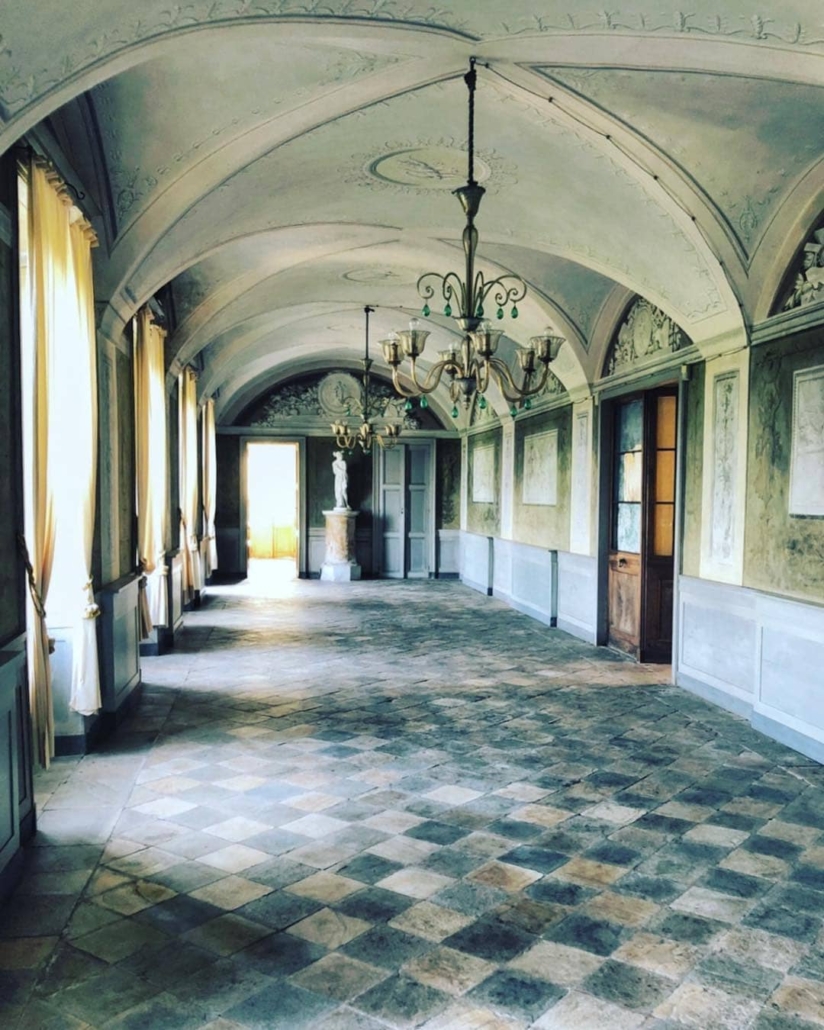
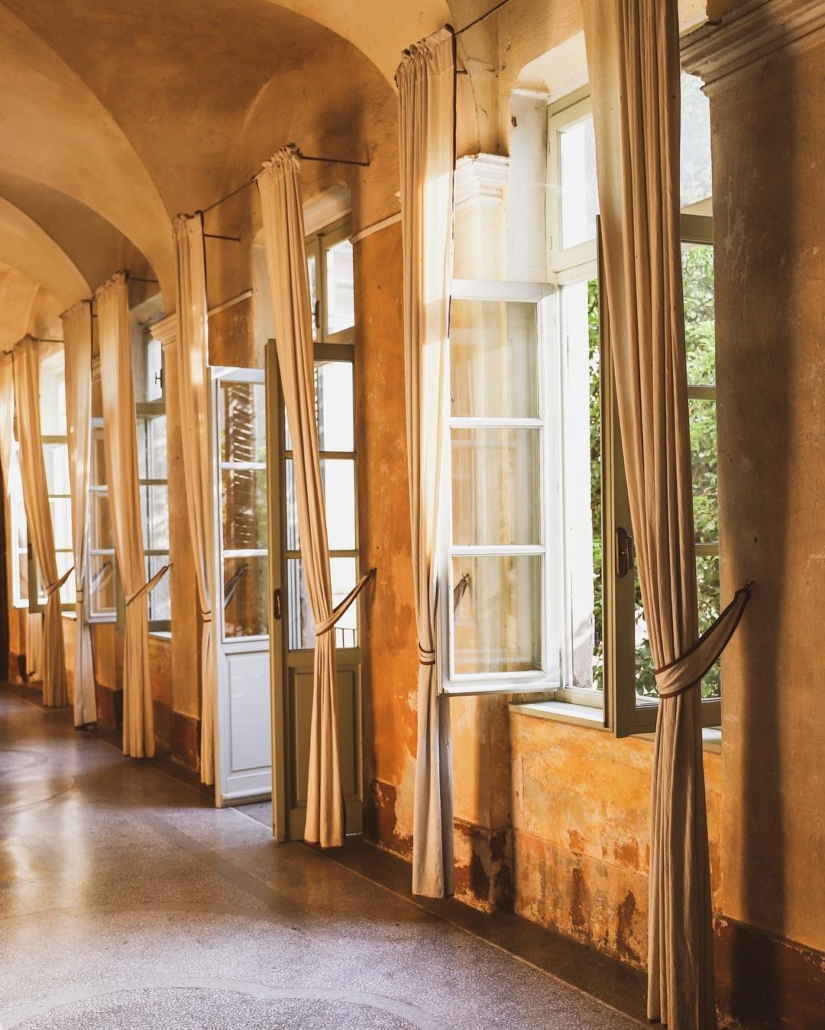
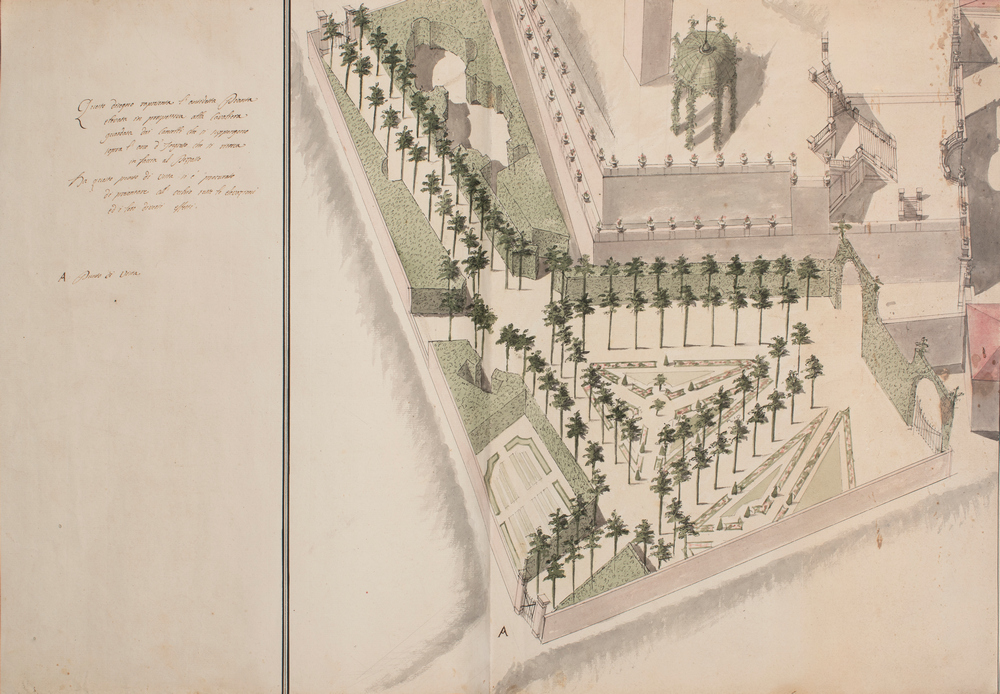
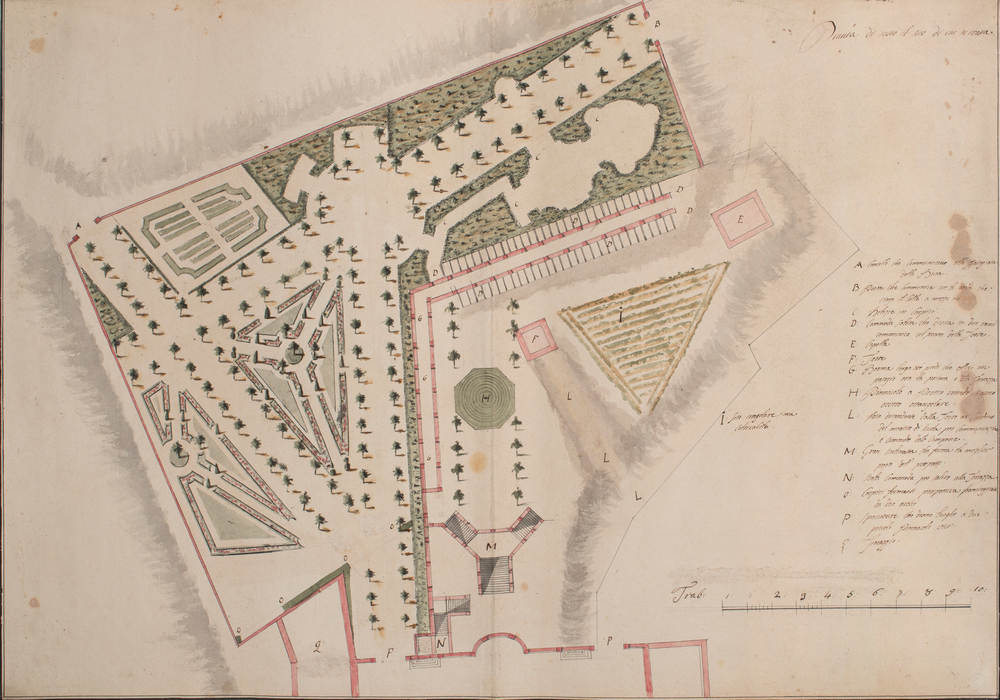
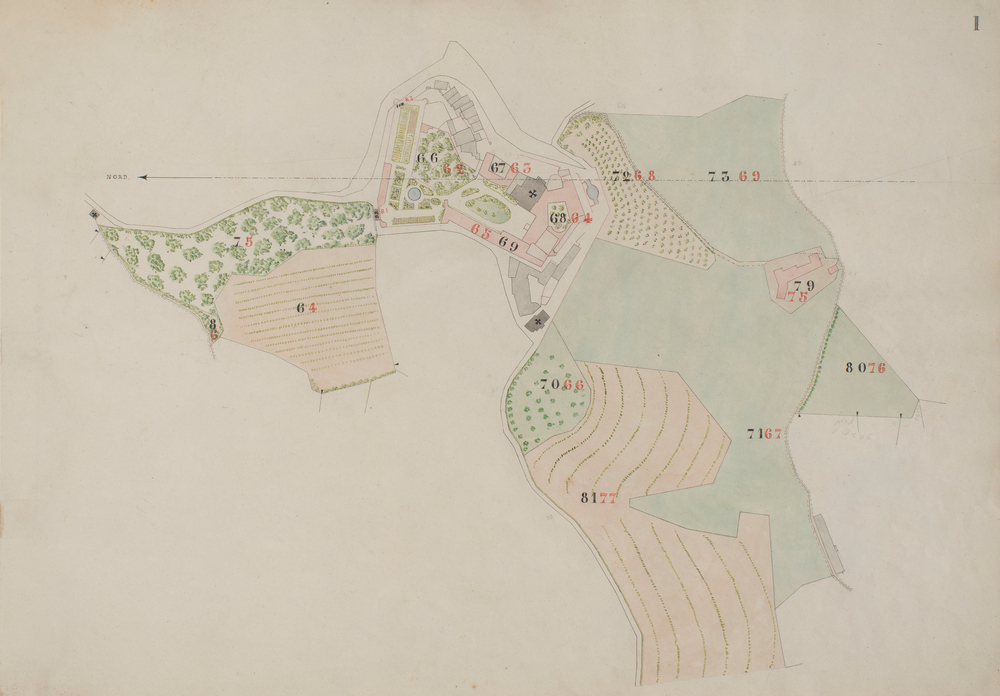
It is also said that Cavour stayed at the castle, serving as both secretary and trusted advisor to the count. The castle reached its peak splendor in the early 19th century, when the Piedmontese painter and architect Pietro Bagetti frescoed the gallery. In 1810, Xavier Kurten, a German landscape architect, designed the park, which soon became a subject of study for the University of Turin’s Faculty of Botany.
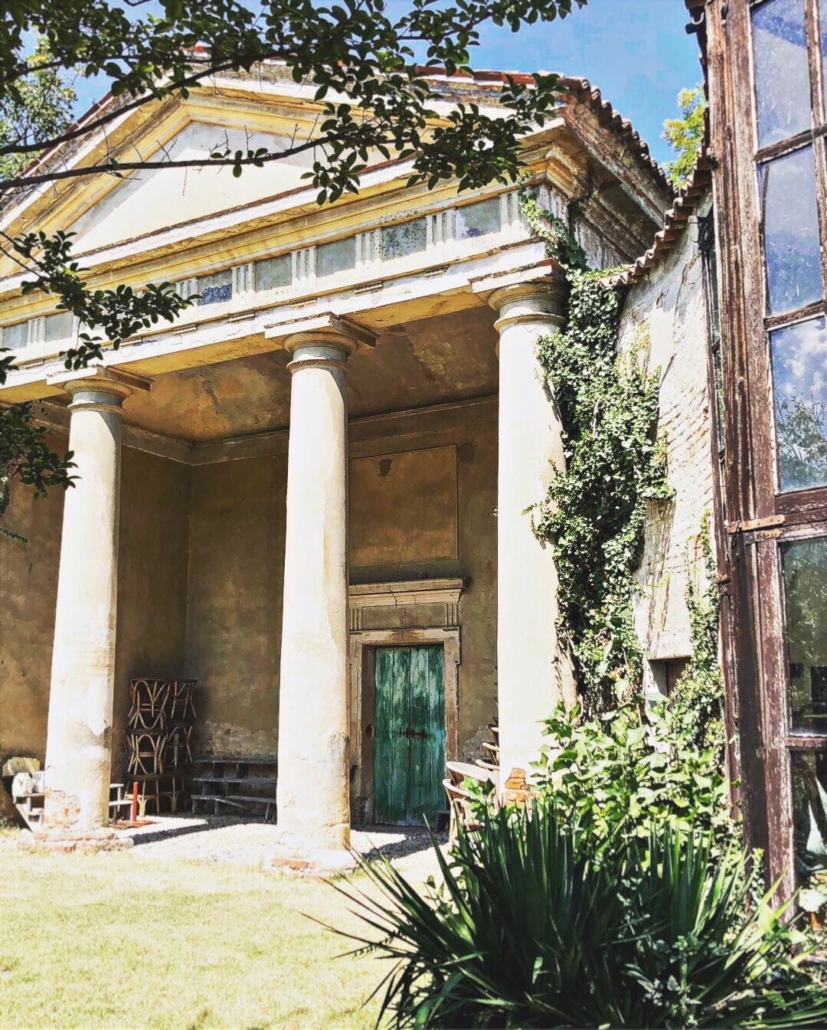
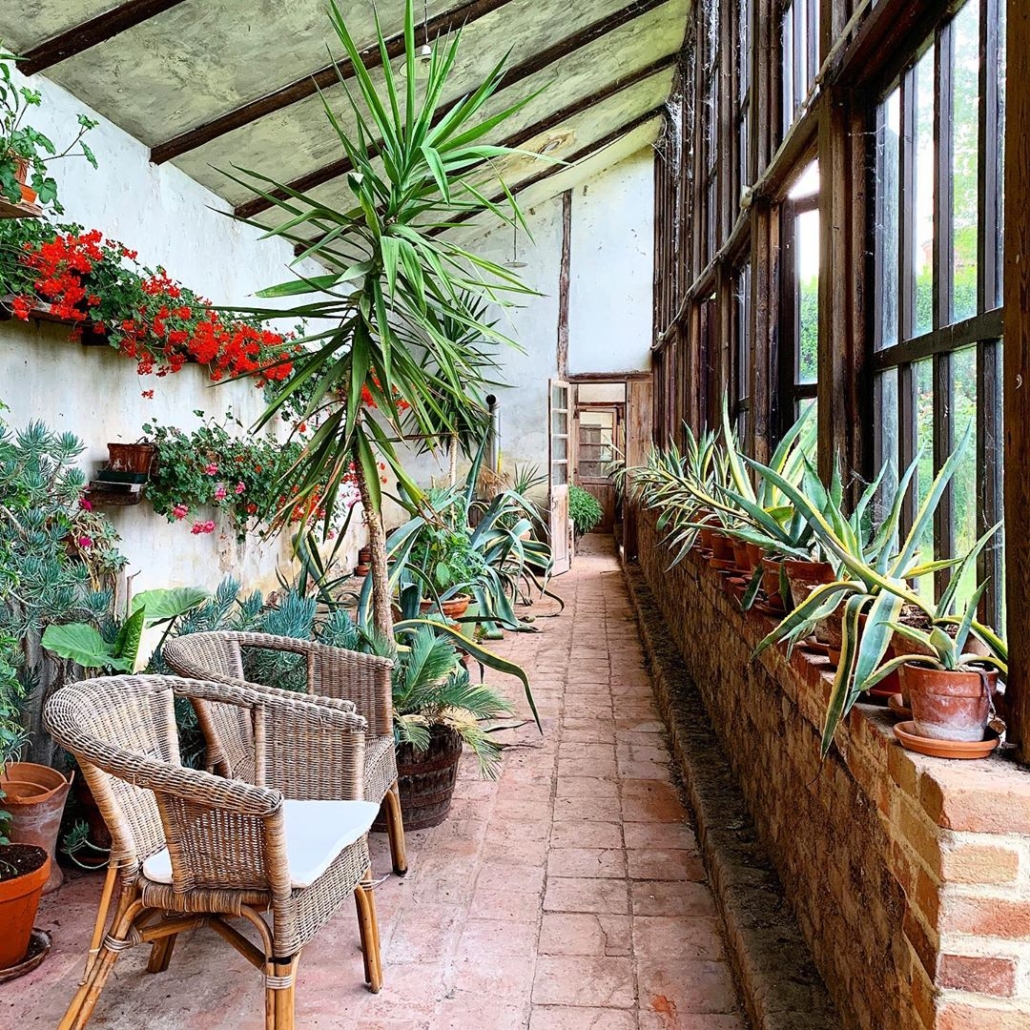
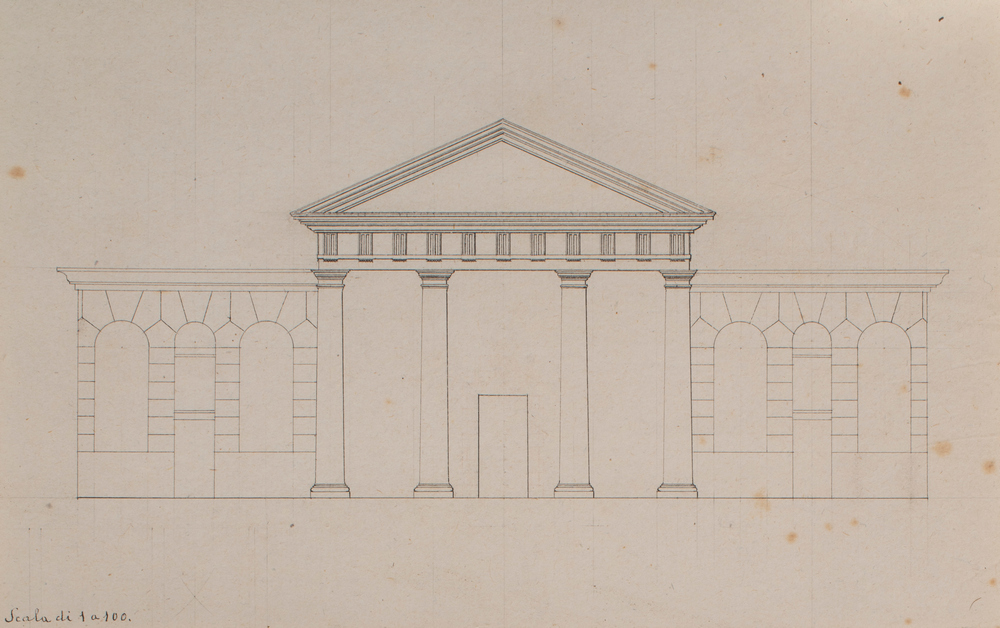
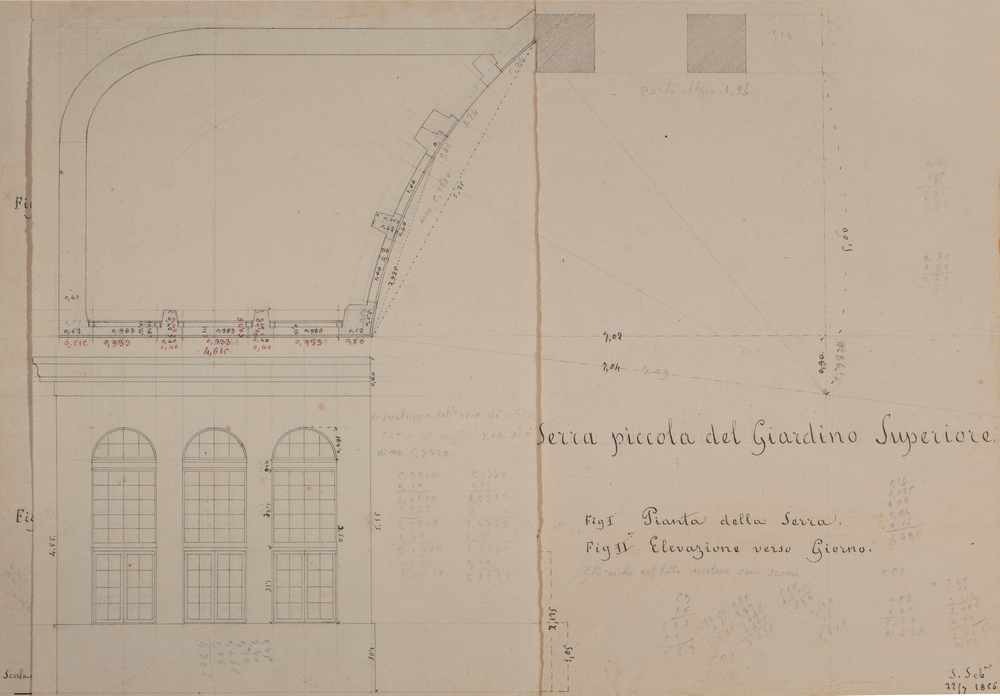
Within the park lies an Italian-style garden with boxwood and rose parterres. In its most glorious days, the castle hosted up to 3,000 species of plants and flowers. Today, an orchard remains as a reminder of medieval fruit gardens, along with a greenhouse beside a neoclassical temple, whose sole function is to provide access to another section of the garden.
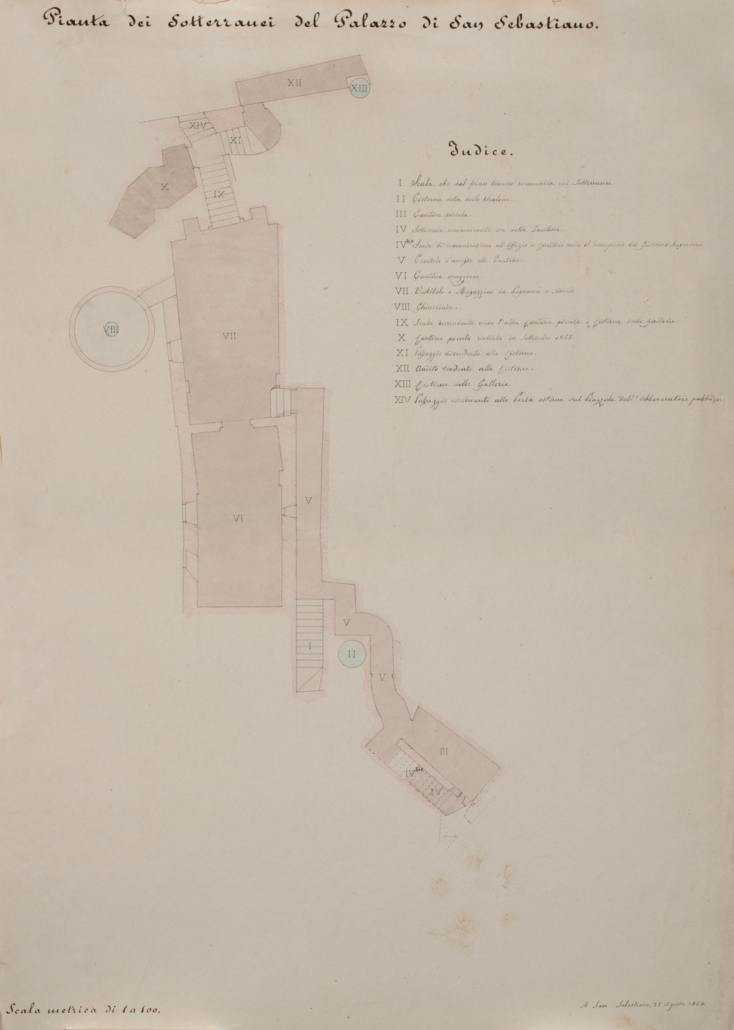
The tinaggio was the space where large vats held grapes from nearby vineyards during fermentation. Wine production was a major resource of the region. Today, it is possible to host delightful banquets in a space that still preserves its historical character.
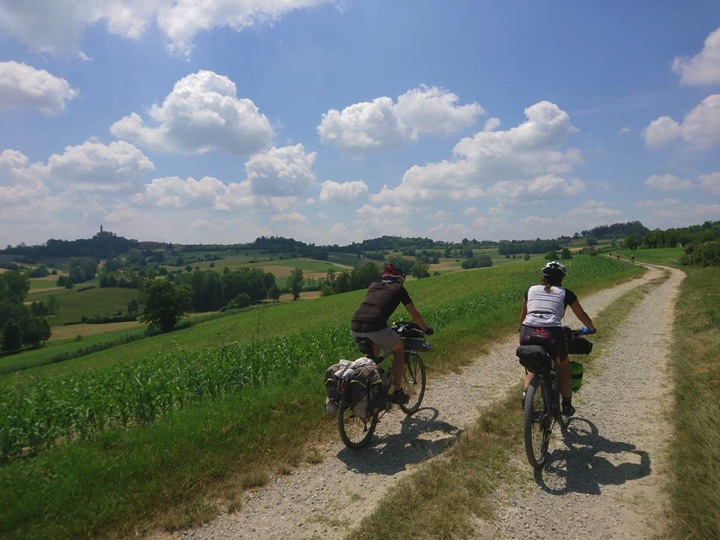
These Monferrato hills, with their breathtaking landscapes, are home to many architectural and historical treasures. In the past, a branch of the Via Francigena passed through here, allowing pilgrims to travel from France to Rome.
What to visit nearby?
First of all, the Abbey of Vezzolano, documented as early as 1095 and possibly dating back to the time of Charlemagne. It features frescoes depicting saints, warriors, and knights (not all of them saints), and can be reached via a 16 km route through vineyards and woods—well worth a visit.
Just 10 km away is the Abbey of Santa Fede, a jewel of Romanesque architecture and the only church in Piedmont built on the plan of an Egyptian triangle, with a façade that reveals its artistic beauty and ancient origins.
And only 6 km from San Sebastiano are the remains of Industria, an ancient Roman city, with its forum and the Temple of Isis—a cult that flourished in the late Roman period.
The Monferrato region is a land rich in ancient towns, Romanesque churches, and castles—offering endless discoveries to visitors who appreciate both natural beauty and human heritage.